Understanding the Basics of Property Valuation for Insurance Coverage
Home / Blogs & Articles / Understanding the Basics of Property Valuation for Insurance Coverage

Key Takeaways:
- Why Is an Accurate Reinstatement Cost Valuation So Important?
It ensures your property insurance coverage matches the true cost of rebuilding, not just market value. The valuation helps you avoid both underinsurance risk and unnecessary premiums.
- How Often Should You Review Your Property Insurance Valuation?
Ideally, every 3–5 years or immediately after major renovations, policy renewals, or shifts in construction costs to keep your valuation for insurance up to date.
Introduction
Insurance safeguards commercial real estate and property ownership, offering financial protection against unexpected events. However, one key aspect is often overlooked—property valuation for insurance. When this valuation is inaccurate or outdated, it opens the door to two major risks: underinsurance and overinsurance.
In this article, we’ll discover what goes into a proper reinstatement cost valuation, why it matters, and how it helps mitigate the irregularities.
What Is Property Valuation for Insurance?
Property valuation for insurance is the process of estimating the building reconstruction cost. It shows how much it would cost to completely rebuild the property from scratch in the event of a total loss, known as the reinstatement cost valuation.
What is its Purpose?
Unlike a real estate appraisal, insurance valuation focuses on structural reinstatement. It determines what it would cost to rebuild the property with similar materials and specifications, under the current market conditions.
Valuation for insurance is essential in avoiding both overinsurance and underinsurance risks. If your declared value is too low, your insurer may apply the average clause during a claim. When your payout is reduced proportionally, you could incur out-of-pocket expenses, especially in large-scale commercial or multi-unit residential buildings.
In contrast, overinsurance leads to inflated premiums without any additional benefit. A professionally conducted valuation helps you strike the right balance so you only pay what you need to, and no more.
What’s Included in an Insurance Valuation?
1. Structural Rebuilding Costs
Covers all materials and labour needed to rebuild the property, from foundations to finishes. May vary based on current construction rates and specifications.
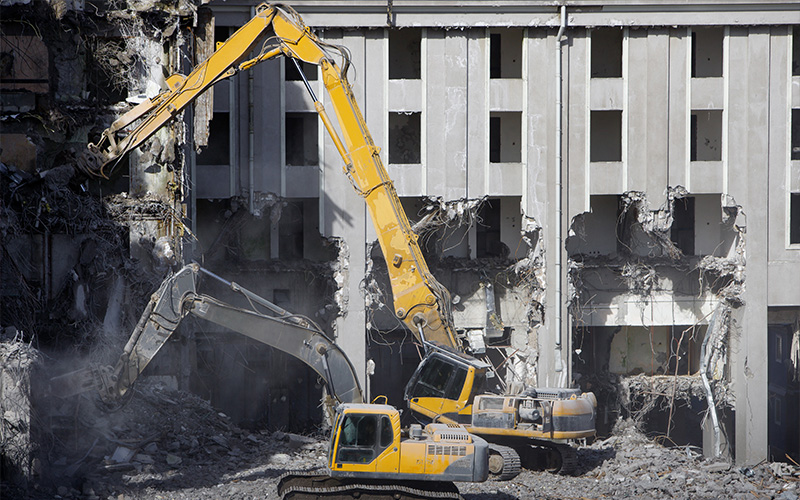
2. Demolition and Debris Removal
Includes the safe teardown of damaged structures and the clearing of debris. A proper removal prepares the site for reconstruction.
3. Professional Fees
Accounts for essential services from architects, engineers, and consultants. Their expertise ensures the process complies with current building codes, safety standards, and regulatory requirements.
Who Needs a Reinstatement Cost Valuation?
A wide range of property stakeholders in Singapore benefit from routine insurance valuations, including:
- Homeowners (especially landed property owners)
- Landlords managing investment units
- Management Corporation Strata Titles (MCSTs) for condominiums and strata-titled developments
- Commercial property owners, including office buildings, retail spaces, and industrial units
Each of these parties faces unique risks and responsibilities. Accurate property insurance coverage helps mitigate the financial fallout from events like fire, flood, or structural failure.
When to Update Your Property Valuation
Best practices suggest updating your insurance valuation every three to five years. However, it should be reassessed immediately if:
- You’ve completed major renovations or upgrades.
- There have been significant market or construction cost shifts.
- Your insurance policy is up for renewal.
Regular reviews ensure your valuation reporting stays aligned with current costs and insurance requirements. These are vital for helping avoid underinsurance surprises.
How to Protect Your Property
Whether you’re overseeing a commercial building, managing a strata property, or reviewing your property insurance coverage, dependable insights will help fulfil your needs. If you’re looking for accurate reinstatement cost valuation and property valuation in Singapore, CKS Property Consultants is here to assist.
Contact us today for a quote.
Frequently Asked Questions
What is the difference between market value and insurance valuation?
People often assume that the market value of their property is the same as what their insurance will cover; however, these are two distinct concepts. Market value is influenced by location, demand, and property trends. It represents what a buyer would pay for your property if it were put up for sale today.
Insurance valuation, by contrast, focuses solely on the cost of rebuilding the property if it were damaged beyond repair. It leaves out the land value and any premium linked to neighbourhood demand. Instead, it factors in rebuilding materials, skilled labour, demolition of damaged structures, and even professional fees needed to meet current regulations. The goal is not to tell you what your property is worth on the open market, but to give a realistic figure for reinstating it after a total loss.
How often should valuations for property insurance be reviewed?
There is no one-size-fits-all rule, but most professionals recommend updating valuations every three to five years. This allows for changes in building costs, which can fluctuate significantly with the economy. For example, if steel or concrete prices rise sharply, your old valuation may no longer reflect the actual rebuilding cost.
It is also worth updating sooner if you have carried out major renovations, added new structures, or made interior upgrades that affect the value of your property. Even minor changes, such as converting a car porch into a living area, can increase reinstatement costs. A review is also sensible when your insurance policy comes up for renewal, as this is the point at which coverage can be adjusted to match current realities.
Why is underinsurance a problem for property owners?
Underinsurance is one of the most significant risks property owners face, and it often becomes apparent only when it is too late. Imagine a property that should be insured for $2 million but is only covered for $1.5 million. If a fire causes $1 million in damage, the insurer may apply the “average clause” and pay out only 75 per cent of the claim. That leaves the owner to cover the remaining cost personally.
The consequences can be severe. Homeowners may struggle to rebuild their houses, while businesses may be unable to restart operations quickly, leading to financial losses and disruption to tenants or customers. Underinsurance usually happens when valuations are outdated or when owners underestimate the cost of reinstatement. Keeping valuations current is the best way to prevent these situations.
Who typically needs a reinstatement cost valuation?
Reinstatement cost valuations are not only for large commercial developments. They are equally crucial for everyday property owners. Homeowners with landed houses need them because rebuilding costs can be complex and often exceed expectations. Landlords benefit from them because accurate insurance allows rental income to continue if the property is damaged.
Strata developments, such as condominiums, are legally required in Singapore to have Management Corporation Strata Titles (MCSTs) maintain adequate coverage for common property. Without updated valuations, an MCST could expose every unit owner to additional costs if a major claim were to arise. Businesses also rely on valuations to protect warehouses, factories, offices, and retail premises, as downtime can have a direct impact on their income.
What costs are usually included in a property insurance valuation?
A proper valuation for insurance is not just a quick estimate of construction costs. It looks at every stage of reinstating the property. This starts with demolition and clearing away debris, which is often overlooked but can be very expensive after a fire or structural collapse. The calculation then includes the cost of labour and materials to rebuild the property to its previous standard.
Additionally, professional fees for architects, surveyors, and engineers are included, as rebuilding must comply with updated building codes and safety requirements. In some cases, the valuation also takes into account additional expenses associated with accessibility improvements or sustainability measures that are required by law today but were not in place when the property was initially built. The aim is to ensure the final figure represents the total amount you would actually need, not just the cost of bricks and mortar.

Copyright © 2024 CKS Property Consultants Pte Ltd