Blogs & Articles / Top Situations When You Need a Professional Land Valuation
A professional land valuation in Singapore is essential in key scenarios. These include land tenders for collective sale, compulsory land acquisition, lease top ups, legal disputes and sale of remnant land. Obtaining an independent valuation ensures that every decision is backed by up-to-date, objective, and compliant market value assessments.
Navigating Singapore’s property market without reliable valuation insights can lead to costly missteps. For investors, up-to-date, data-driven assessments are essential to safeguard capital, benchmark returns, and negotiate confidently. A professional land valuation in Singapore is crucial for proper due diligence in the modern real estate landscape.
Wondering when to engage a valuation expert? Below are the top scenarios where professional real estate appraisal is often required.
When developers consider acquiring land for redevelopment, whether through the collective sale market or Government Land Sales (GLS), a professional land valuation is essential to establish the site’s fair market value. As part of this process, a market value assessment identifies the realistic price the land can command in the current property cycle, considering its development parameters such as Master Plan zoning, allowable Gross Plot Ratio (GPR), Land Betterment Charge, expected selling price upon completion and comparable land transactions.
At the same time, a reliable land valuation protects owners from underselling. It is mandatory to obtain an independent valuation at the close of a collective sale tender to ensure that the site is not sold at a price below its market value. At the same time, it supports transparent negotiations with developers and provides banks with a credible foundation for financing.
In Singapore, land may be acquired by the Government for public projects such as road expansion or infrastructure development. In such cases, a professional valuation ensures owners receive fair compensation based on prevailing market rates. A licensed appraiser provides objective assessments that comply with the Land Acquisition Act, safeguarding owners against undervaluation.
Developers or private property owners may wish to extend the tenure of their leasehold properties back to 99 years, especially for redevelopment or major Addition and Alteration (A&A) works, subject to SLA approval. In such cases, a valuation of the land lot is required to assess the land premium payable to SLA for the top up of lease.
Legal disputes over land use, such as easements and boundary encroachments, often require expert input. Courts and tribunals rely on professional land valuation reports to establish objective values and resolve conflicts. These impartial assessments provide evidence that can withstand legal scrutiny, protecting owners’ rights and financial interests.
Developers and owners may have the opportunity to purchase small parcels of State land adjoining their private estates. Such remnant land can be amalgamated with their private lands to enhance the economic value and use of the private lands. Interested owners may engage a private valuer to carry out a valuation of the land parcel for acquisition for submission to the relevant authorities.
Whether it involves a redevelopment project, land enhancements, legal or statutory processes, a professional land valuation in Singapore by a qualified valuer is critical to your success.
Unlike informal estimates or automated tools, a licensed property valuer brings professional accountability, methodology, and industry standards to the table. They use verified data sources, comparative market analysis, and on-site inspections to deliver dependable results.
Ready to make informed property decisions backed by data and expertise? CKS Property Consultants is here to support you with trusted property valuation services tailored to your needs.
Contact us for more information.
Copyright © 2024 CKS Property Consultants Pte Ltd

Blogs & Articles / 5 Qualities to Look for in a Property Valuation Expert
SISV accreditation supports registered valuers in upholding the highest professional standards by:
When you’re making major real estate decisions in Singapore, you need more than just numbers on a page. Property valuation is a cornerstone of trust, clarity, and professionalism. As a client, what gives you confidence in a valuation report? It’s knowing that the person behind it is trained, licensed, and accountable.
That’s where SISV (Singapore Institute of Surveyors and Valuers) accreditation makes all the difference. An SISV-accredited property valuer follows strict ethical standards, complies with rules, and delivers reports that can stand up to scrutiny from regulators. How do they ensure defensible property values? Let’s take a closer look.
Every SISV-accredited registered property valuer operates under a strict code of professional ethics that reinforces impartiality, confidentiality, and independence. This means they must provide objective, conflict-free advice while safeguarding sensitive client information. For example, if a buyer requests a higher valuation to secure better loan terms, the valuer should still base their assessment solely on market data and comparable transactions, not client expectations. Such ethical valuation standards are essential to maintaining trust, integrity, and credibility throughout the entire appraisal process.
In Singapore, property valuation is governed by a complex web of regulations. SISV-certified valuers must demonstrate compliance with:
On top of that, all property valuation reports must align with the International Valuation Standards (IVS). These global benchmarks help ensure consistency, comparability, and professionalism in real estate appraisal practices. For businesses that require audit-friendly documentation, this level of valuation regulatory compliance offers peace of mind.
When you engage an SISV-accredited licensed appraiser, you’re gaining access to a detailed, transparent valuation report that you can rely on with confidence. Each report is clearly structured and backed by real market evidence, including recent comparable transactions and a full explanation of the valuation method used.
Most importantly, all assumptions and limitations are openly disclosed, so there are no hidden surprises. This level of clarity and accountability ensures that your independent valuation report stands up to scrutiny from banks, auditors, or legal advisors—making it a trusted tool for sound decision-making.
The real estate landscape is constantly evolving, and so is the role of a registered property valuer. To ensure their expertise remains relevant, SISV requires its members to undergo continuous professional development. This includes staying current with market trends, regulatory updates, and advancements in valuation tools and analytics. As a client, this means you’re working with a qualified valuer who is equipped with up-to-date insights and practices. This ensures your valuation reflects today’s realities, not yesterday’s assumptions.
In a real estate landscape shaped by regulations and high-value transactions, cutting corners on valuation can be risky. Engaging a real estate appraisal professional with SISV accreditation ensures your valuation is ethical, compliant, and evidence-based.
If you’re a business owner, asset manager, or corporate real estate advisor, working with an SISV-accredited registered property valuer ensures:
CKS Property Consultants is a member firm of SISV. Our valuation reports are signed off by licensed appraisers. If you require a level of professional accountability that protects your organisation’s interests in every property valuation in Singapore, we are here to assist.
Speak to our team today.
Copyright © 2024 CKS Property Consultants Pte Ltd
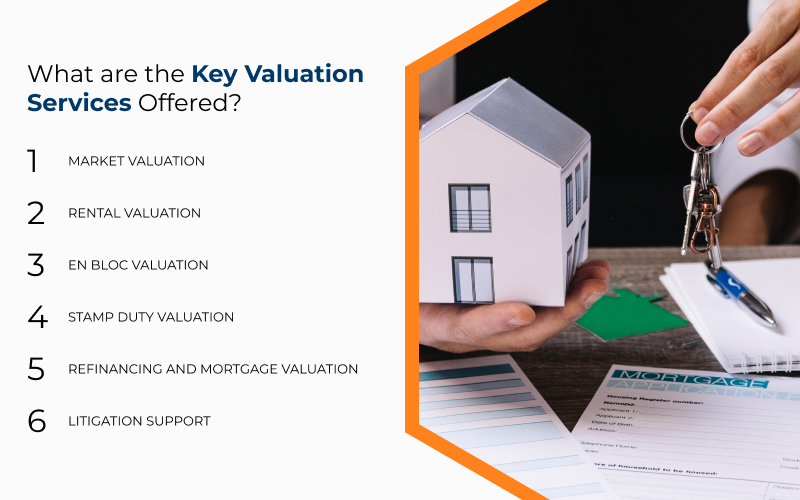
Blogs & Articles / 5 Qualities to Look for in a Property Valuation Expert
Property valuation in Singapore isn’t a one-size-fits-all. From investing in a landed home to leasing a commercial space, how a property is valued depends largely on its classification and purpose. Residential flats, industrial facilities, and other types of property in Singapore each come with their own risk profiles, regulatory considerations, and valuation methodologies.
For businesses, investors, and corporate landlords, understanding how different properties are appraised helps improve decision-making, compliance, and asset optimisation. Let’s explore the four main property categories and their common valuation methods.
Evaluating residential real estate in Singapore focuses heavily on these attributes:
These factors help valuers to determine fair market value when assessing HDB and residential property value. Valuers often adopt the comparative method, analysing similar transactions nearby to arrive at an objective estimate. For larger plots or landed homes, redevelopment potential may also be factored in.
Commercial building valuation involves far more than just square footage. Offices, business parks, and mixed-use developments are often appraised using the income approach, which emphasises rental income potential and operating expenses.
Key considerations include:
In Singapore’s competitive commercial landscape, valuation quality is vital for REITs, developers, and portfolio managers. If you’re dealing with commercial and industrial real estate, having a reliable valuation helps inform leasing strategies, acquisitions, and long-term ROI planning.
The valuation of industrial assets, such as warehouses, factories, and logistics hubs, requires a different lens altogether. Governed by land use zoning (B1 for light industry and B2 for heavier operations), these properties often come with shorter leasehold tenures from JTC or SLA.
When assessing industrial property value, professionals consider:
Unlike residential units, property valuation methods here may also include cost-based and income-based assessments, especially for specialised facilities with heavy infrastructure or machinery installations.
Retail spaces, ranging from shophouses to strata-titled mall units, are perhaps the most sensitive to market cycles and consumer sentiment. Retail property market trends like footfall, anchor tenants, and tourism flows all could affect asset value.
Valuation metrics often include:
For landlords and investment firms, understanding the nuances of retail property valuation is key to forecasting returns and securing financing. In these valuations, it is common to see the use of the capitalisation method, which factors in net income and market yields.
From residential real estate valuation to commercial building valuation, each asset class comes with its own unique metrics, market drivers, and risk considerations. For stakeholders involved in commercial and industrial real estate, engaging a professional valuer who understands the latest regulatory frameworks and market conditions is essential.
Whether you’re planning to restructure your portfolio, acquire new assets, or simply want to check the valuation of property, choosing the right property valuation methods tailored to the asset class is non-negotiable.
At CKS Property Consultants, our team delivers data-driven valuation insights across all major types of property in Singapore. Our valuation reports are signed off by licensed appraisers, giving you the confidence that your property decisions are compliant and future-proof.
Get in touch to gain tailored insights across your residential, commercial, or industrial portfolio.
Copyright © 2024 CKS Property Consultants Pte Ltd

Blogs & Articles / 5 Qualities to Look for in a Property Valuation Expert
Commercial property valuation in Singapore is a strategic tool that empowers businesses to plan confidently. It helps them allocate resources wisely, structure leases fairly, mitigate risks early, and build trust with investors.
Commercial properties are powerful strategic assets that support long-term business objectives. For growth, owning or leasing the right space enables companies to scale and improve brand visibility. As investment vehicles, commercial properties generate income through rental yields and appreciate in value over time. To plan effectively for the future, relying on a commercial property valuation in Singapore can help you understand the true market value of your assets.
In this article, we explain how real estate asset valuation directly impacts financial planning, risk management, and long-term growth. Let’s find out why it should be considered a fundamental component of every company’s corporate strategy.
A professional commercial property appraisal helps you align your property assets with your future goals. Whether you’re expanding or divesting your operations, knowing the actual market value allows you to make confident decisions grounded in data. For businesses involved in property investment strategy, valuation enables them to evaluate performance and identify capital appreciation opportunities.
For example, a company that owns multiple office buildings may use periodic valuations to compare how each asset is performing. If one building in the CBD shows a significant increase in market value due to nearby infrastructure developments, the business might decide to reinvest in similar high-growth zones or divest from underperforming areas.
A timely and thorough valuation sharpens your financial projections. It helps forecast recurring costs such as insurance premiums, property taxes, and depreciation, giving your finance team a solid foundation for budget planning.
When you have reliable property data, your business financial planning becomes more precise, especially for asset-heavy industries like manufacturing, logistics, and real estate investment.
For landlords and tenants alike, valuation is key in determining fair and competitive rental rates. Whether it’s a retail valuation or an office space appraisal, an up-to-date assessment provides both parties with insights into what the property is truly worth in the current market.
For instance, if a retail unit is located in a high-traffic shopping district, a valuation would factor in footfall, nearby competition, and prevailing lease rates to justify pricing. Ultimately, having market-backed data supports transparent negotiations, reduces disputes, and leads to lease agreements that are financially sustainable for both sides.
Regular commercial property valuation in Singapore is a key component of effective risk management. It allows businesses to maintain a clear and realistic view of their asset portfolio, making it easier to detect properties that are underperforming, overvalued, or no longer aligned with current market trends.
Through timely valuations, companies can identify such risks early, including excessive leverage, poor rental yields, or depreciating asset value. This may include refinancing, portfolio diversification, asset repositioning, or divesting properties that no longer deliver strategic value. By staying ahead of market changes, businesses can minimise financial exposure and allocate resources more effectively.
When stakeholders, shareholders, or potential investors review your financials, transparency is key. An up-to-date real estate asset valuation enhances the credibility of your reporting, giving assurance that your balance sheet clearly reflects current market conditions. This credibility is essential for building trust with investors, securing financing, and maintaining compliance with regulatory standards.
In addition, shareholders are more likely to support strategic decisions when they’re based on validated property data. A professionally conducted valuation provides objective insights into a property’s true worth, reflecting that management is acting on factual, market-aligned information rather than assumptions.
While online calculators or AI-based tools offer quick estimates, they can’t substitute the expertise of accredited professionals. A qualified valuer considers not just comparable sales, but also zoning laws, upcoming developments, lease terms, and market sentiment.
This highlights the need to partner with a trusted firm like CKS Property Consultants. Our up-to-date commercial building valuation is the key to unlocking growth, managing risks, and communicating value to stakeholders. Supported by our experts, your commercial property appraisal can meet regulatory standards and the strategic depth needed for serious business planning.
Ready to unlock the true value of your assets? Get in touch with us now.
Copyright © 2024 CKS Property Consultants Pte Ltd

Blogs & Articles / 5 Qualities to Look for in a Property Valuation Expert
Real estate often represents a large portion of total wealth. Knowing the true property value enables better decision-making across estate planning, tax compliance, and retirement readiness. Reliable property valuation provides the foundation for strategic, long-term financial planning.
Timely and objective valuation reports reduce uncertainty, help you meet regulatory obligations, and minimise risks, such as legal disputes or financial penalties. Whether you’re managing inheritance, preparing for business succession, or rebalancing your portfolio, updated valuations ensure you stay in control.
Effective wealth management starts with clarity. For individuals and businesses in Singapore, asset planning provides a practical framework for organising investments, properties, and other holdings in line with long-term financial goals. It keeps assets structured in a way that supports future needs for retirement, estate distribution, or business continuity.
Real estate typically forms a significant portion of one’s total wealth. That’s why knowing its true value is key to making informed decisions across tax, inheritance, and overall financial planning. Read on to learn how property valuation fits into this context.
Asset planning involves optimising your wealth to ensure stability, minimise risk, and prepare for the future. It brings together aspects of estate planning, investment strategy, and asset protection. Since property often makes up a significant share of one’s assets, having unbiased and timely property appraisals is a foundational step in any asset strategy.
Before any meaningful financial planning can begin, you need a clear picture of your current wealth. Professional valuation reports offer an up-to-date snapshot of your property’s value, serving as a reliable baseline for budgeting, risk assessment, and identifying opportunities to optimise your portfolio.
For businesses with property portfolios or individuals holding multiple assets, this clarity allows them to better leverage equity, reallocate resources, or plan for growth. Ultimately, they can drive smarter investment decisions and manage debt exposure effectively.
When it comes to estate planning, ensuring fair and conflict-free distribution of assets is key. An objective property appraisal eliminates ambiguity and helps beneficiaries understand the true value of what they’re receiving.
Real estate values in Singapore can vary widely across different locations and property types. Updated valuation reports help set clear, objective expectations for all beneficiaries, reducing the risk of disputes during probate and ensuring a fairer distribution process.
Whether you’re transferring ownership, gifting property, or selling it as part of a larger asset reallocation, up-to-date valuation is essential for staying compliant with Singapore’s tax regulations.
Property value plays a direct role in determining liabilities such as:
Failing to provide updated property valuations could lead to under-reporting and legal complications, especially for high-value commercial and retail valuation scenarios. For instance, outdated valuations may result in underpaid stamp duties, potentially triggering audits, penalties, or delays in transactions.
A core principle of wealth management is ensuring liquidity and sustainability as you transition into retirement. Knowing your property value helps answer key questions:
Regular valuation reports empower you to make informed decisions that preserve wealth while freeing up funds for other retirement needs.
For business owners and family enterprises, asset planning includes preparing for ownership transfers, buy-sell agreements, or mergers. Property is often used as collateral or equity in these processes.
A precise property appraisal helps assess your company’s financial position and supports planning for generational succession or external investments. It also enhances transparency during due diligence in potential sales or restructures.
High land values, limited space, and consistent demand make property a major asset class for both individuals and businesses. This means fluctuations in property value can directly impact overall financial health, borrowing capacity, tax obligations, and future planning. That’s why, in a real estate-driven economy like Singapore’s, understanding and managing property assets is essential for building and preserving wealth.
At CKS Property Consultants, we provide professional, SISV-compliant valuation services tailored to your needs. Our professionalism covers residential, retail valuation, and beyond.
Talk to us to make your next financial move a strategic one.
Copyright © 2024 CKS Property Consultants Pte Ltd

Blogs & Articles / 5 Qualities to Look for in a Property Valuation Expert
It helps ensure your property valuation is up-to-date, defensible, and compliant with Singapore’s standards. From confirming SISV accreditation to understanding the inspection scope and valuation method, a proactive questioning approach leads to better-informed decisions and smoother financial outcomes.
If you think property valuation is simply about assigning a price to a building, it may be time to take a closer look at what the process truly involves. In fact, it is a strategic exercise that influences negotiations, financing, and long-term investment planning. For businesses and investors in Singapore, a reliable home valuation can determine whether a deal moves forward or falls through.
Yet many stakeholders overlook one critical step: clarifying the valuation process before it begins. The questions you ask a licensed valuer can reveal how thorough, compliant, and reliable the outcome will be. Follow this questionnaire checklist to ensure that a house appraisal estimate stands up to scrutiny and serves its intended purpose.
Always start by confirming the valuer’s credentials. For property valuation in Singapore, credibility is key. Only licensed property valuers accredited by the Singapore Institute of Surveyors and Valuers (SISV) are recognised by major institutions.
Requesting a valuation report that complies with SISV valuation standards helps you confirm that house appraisal estimates will be accepted by stakeholders such as banks, lawyers, and regulatory bodies. Without this accreditation, the valuation may be challenged or deemed invalid for official use.
Different types of properties require different valuation approaches. For instance, residential units may be valued based on recent comparable transactions, while income-generating commercial properties often rely on capitalisation or discounted cash flow methods.
Understanding the chosen methodology provides context for the final valuation figure. It also reveals whether the home valuers are tailoring their approach to the property’s type, location, and intended purpose.
In Singapore, property market nuances vary by district, tenure, and zoning—all of which can directly influence a property’s value. For instance, a freehold unit in District 10 commands a different price trajectory compared to a 99-year leasehold property in a non-central area—even if both have similar floor areas.
Fortunately, consulting a licensed property valuer can help you gain clearer and more reliable valuation insights. Regularly working within your property’s area, these professionals are familiar with micro-market conditions, recent transactions, and common issues that affect value. That said, their relevant expertise and experience can contribute to more defensible and data-backed appraisals.
The physical inspection is a crucial part of the house appraisal estimation process. Ask the valuer what specific features they will assess. These typically include:
Knowing what will be evaluated allows you to highlight key features and address any issues in advance.
A professional valuation should always come with a comprehensive report. This document serves as an official record and includes:
In Singapore, a detailed valuation report that adheres to SISV valuation standards is essential. It offers transparency and serves as a future reference during audits, disputes, or financing applications.
While home valuers work independently, a bit of preparation on your part can influence the outcome. Simple steps such as cleaning the premises, preparing renovation documents, and pointing out recent improvements can help the valuer better understand the property’s condition and unique features.
For corporate clients or property agents, providing prior sales data, tenancy schedules, and land use information can also streamline the house appraisal estimation process and improve the credibility of the final report.
Appraising a portfolio of investment properties or a single landed home? Work with qualified and experienced home valuers to receive reliable and bankable results. More than a checklist, the aforementioned questions provide a strategic lens through which to approach any property valuation.
At CKS Property Consultants, we believe in equipping our clients with clear insights and trusted expertise. If you require a detailed, compliant, and well-supported property valuation, our experts are ready to guide you every step of the way.
Need a reliable valuation? Contact us to learn more.
Copyright © 2024 CKS Property Consultants Pte Ltd

Blogs & Articles / 5 Qualities to Look for in a Property Valuation Expert
Real estate consultants offer strategic insight for big-picture planning and investment decisions, while property valuers provide formal, certified reports used for legal, financial, or compliance purposes. Knowing which expert to engage—and when—ensures your property decisions are both informed and aligned with your objectives.
As a business owner or institutional investor, you know that property decisions are rarely straightforward. In a market like Singapore, where land supply is limited and regulations are constantly evolving, success hinges not just on opportunity but on insight. You can’t rely on instinct alone. You need expert support to de-risk your decisions. This is where engaging the right professional makes all the difference.
But how do you know whether to hire a real estate consultant or a property valuer? Both offer professional insight, yet their roles, outputs, and expertise differ to a great extent.
In this article, we break down the key differences so you can make an informed decision aligned with your property investment strategy.
Understanding the distinction between these two parties is essential for engaging the right professional at the right stage of your project or transaction. Below is a breakdown of their distinct roles and deliverables:
Real estate consultants provide strategic guidance on complex property decisions. Their focus is on the big picture—advising on en bloc sales, development feasibility analysis, land use, and property investment strategy.
Meanwhile, property valuers are concerned with timeliness and compliance. Their primary role is to assign a certified property valuation, using market data and professional standards to support legal, financial, or regulatory requirements.
Consultants deliver customised outputs tailored to strategic planning needs. These may include site studies, market research, investment briefs, or financial modelling to support long-term decision-making.
On the other hand, real estate appraisers produce formal reports detailing a property’s market value. These valuation reports are typically required for purposes such as bank loans, stamp duty assessments, probate cases, or divorce proceedings.
Real estate advisory services are commonly sought by:
In contrast, property valuers often serve:
Hire a consultant if you are:
Hire a property valuer if you need:
In Singapore’s fast-moving property market, understanding the distinct roles of real estate consultants and property valuers helps you engage the right expert at the right time. While one offers the foresight needed for strategic planning, the other provides legal and financial assurance through certified assessment.
Structuring a major investment, refinancing assets, or meeting compliance requirements? Consider engaging CKS Property Consultants. Our licensed experts deliver up-to-date, defensible valuations that align with your business objectives.
Let us help you move forward with confidence. Contact us today.
Copyright © 2024 CKS Property Consultants Pte Ltd
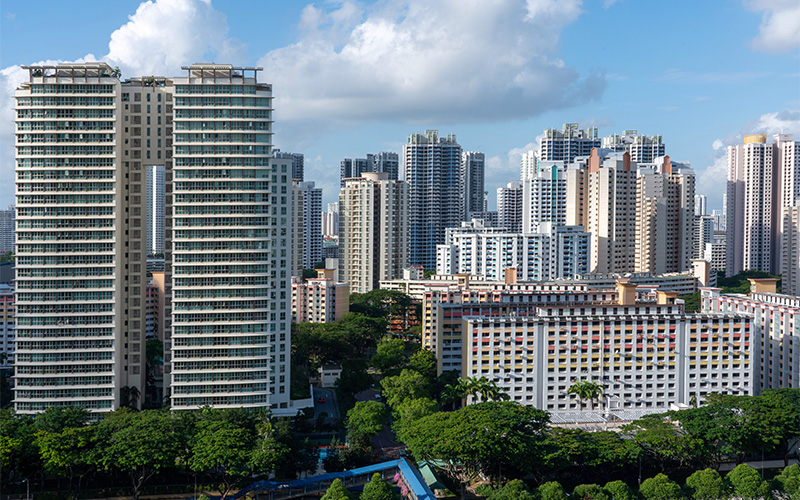
Blogs & Articles / 5 Qualities to Look for in a Property Valuation Expert
It is a crucial early-stage assessment that evaluates a development’s financial, legal, and logistical viability— before major investments are made.
The feasibility process typically unfolds in three phases: preliminary review, detailed analysis, and regulatory approvals. Timelines range from a few weeks to several months, depending on project complexity and agency response times.
In real estate development planning, even a single oversight can lead to costly delays, missed opportunities, or failed approvals. With high capital at stake and multiple regulatory hurdles to clear, developers cannot afford to move forward without a clear, structured roadmap. Fortunately, a comprehensive feasibility study can provide much-needed clarity to an otherwise complex process. This structured assessment determines whether a proposed development is viable—financially, legally, and logistically.
What exactly goes into this process? This article breaks it down for developers, investors, and stakeholders looking to reduce risk and maximise returns.
The studies examine critical factors such as zoning and land use regulations, environmental conditions, and property valuation for development. Conducted before significant capital is deployed, they help answer essential questions:
While every project is unique, most studies follow a structured timeline broken into three key phases:
This phase includes a high-level site review, assessment of zoning laws, preliminary cost estimates, and evaluation of nearby market trends. It’s used to screen potential sites before investing further in due diligence.
Here, a more in-depth analysis is conducted. This includes:
The duration depends on project scale and complexity. This phase may also include a professional property valuation in Singapore to estimate returns and funding needs.
Once the site is deemed viable, developers must obtain permits and clearances. This involves submitting proposals to agencies like the Urban Redevelopment Authority (URA), Building and Construction Authority (BCA), or National Environment Agency (NEA).
Securing zoning and land use approvals, environmental clearances, and building permits can take several weeks to a few months. The process relies on the property’s nature and government processing times.
A well-executed study is rarely a solo effort. It’s a collaborative process involving experts from multiple disciplines.
Valuers assess the current and potential property value, factoring in location, comparable sales, future development potential, and other variable factors. Their reports are essential when you need to justify pricing in financial projections.
Urban planners ensure the proposed development aligns with Singapore’s master plans and complies with zoning and land use regulations. They also flag potential conflicts early to save time during the approvals process.
These professionals evaluate the site’s buildability. They draft initial concept plans and flag constraints such as accessibility, drainage, and utility connections.
Sustainability is now a non-negotiable in modern real estate. Environmental consultants assess flood risks, pollution exposure, and other ecological factors. They also ensure alignment with standards such as the BCA Green Mark Scheme.
A feasibility study lays a solid foundation for risk management and informed investment decisions. With land costs rising and property valuation for development becoming more competitive, it’s critical to enter projects with full clarity.
At CKS Property Consultants, we help businesses navigate the early phases of real estate development planning with confidence. From checking the valuation of a property to assembling the right consultants for your study, our team ensures you’re building on solid ground.
Thinking of starting a development project? Make your first step a smart one.
Contact us and let our professionals assist you.
Copyright © 2024 CKS Property Consultants Pte Ltd

Blogs & Articles / 5 Qualities to Look for in a Property Valuation Expert
Interest rates, government cooling measures, global economic situations, and budget announcements directly affect affordability, buyer sentiment, and transaction volumes in Singapore’s property market.
When selling property in Singapore, use the URA Property Price Index (PPI), HDB Resale Price Index (RPI), and SRX Property data to monitor trends, benchmark prices, and guide valuation decisions.
Timing and process are everything when it comes to selling property in Singapore. From managing a portfolio of investment properties to advising clients on divestment strategies, understanding market trends and regulatory impacts can make all the difference in both speed and profitability.
In this guide, we explore the best time to sell property in Singapore. Let’s also determine how seasonal and economic patterns play a part in influencing the sales process, and which tools should be used to stay ahead in a shifting market.
Shaped by global economic shifts, policy changes, and local demand cycles, Singapore’s property market is dynamic. Unlike in many other countries, real estate cooling measures in Singapore, such as Additional Buyer’s Stamp Duty (ABSD) and loan curbs, directly impact buyer behaviour and pricing power.
If you’re selling property in Singapore without considering these external forces, you’re leaving value on the table.
While Singapore doesn’t have four seasons, local cultural and practical rhythms create distinct buying windows. Understanding these can help property owners and real estate professionals capitalise on peak interest periods.
1. Post-Chinese New Year (February to March)
This is when many buyers re-enter the market with fresh financial goals and renewed motivation. Developers also tend to launch new projects during this time, increasing overall market activity.
2. Mid-Year (April to July)
Families often aim to finalise property purchases before the new school term begins. This window is especially relevant for those selling family-sized condominiums or HDB flats located near popular schools.
3. Year-End Slowdown (December)
Typically, property viewings and transactions dip as prospective buyers travel or focus on year-end festivities. It’s not impossible to sell during this period. However, pricing and marketing strategies should be adjusted accordingly.
Apart from the calendar, macroeconomic indicators and government policies may also affect Singapore property market trends. Be aware of the following conditions:
1. Interest Rate Fluctuations
In a rising interest rate environment, borrowing costs increase, reducing home loan affordability. Sellers may need to adjust price expectations or invest in property upgrades to maintain buyer interest.
2. Real Estate Cooling Measures in Singapore
Regulations such as ABSD hikes and TDSR (Total Debt Servicing Ratio) revisions have a direct effect on transaction volumes. For instance, the July 2025 cooling measure revised the Seller’s Stamp Duty by extending the holding period to 4 years and raising SSD rates. This has encouraged longer-term property holding in the private residential market.
3. Budget Announcements
Singapore’s annual Budget may include property-related measures, including tax incentives or new housing grants. These announcements can influence buyer sentiment and shift demand between segments (e.g. HDB vs private).
Whether you’re an investor, developer, or broker, data-backed decisions are crucial. Here are the key tools for monitoring a property valuation in Singapore and overall trends:
1. URA Property Price Index (PPI)
Offers quarterly insights into private residential property trends. Essential for sellers targeting the condominium and landed property segments.
2. HDB Resale Price Index (RPI)
Tracks the performance of resale HDB flats. Useful when pricing public housing or benchmarking against historical transaction data.
3. SRX Property
A go-to source for real-time asking price benchmarks, rental yield data, and market sentiment indicators.
Incorporating insights from these platforms can enhance your real estate appraisal efforts and guide clients on when to list their properties for maximum return.
Smart property selling in Singapore is about aligning your sale with buyer sentiment, policy shifts, and demand cycles. By staying informed of the market trends and leveraging valuation tools, you’re better equipped to sell faster, negotiate better, and deliver more value.
A crucial part of selling property in Singapore smoothly is getting an up-to-date, professional property valuation. While pricing tools and public indices provide direction, engaging certified property valuers ensures your asking price aligns with both current market realities and financing requirements.
With CKS Property Consultants’ market expertise and network of trusted property valuers, we’re here to help you make that smart move.
Get in touch for a professional property appraisal and strategic guidance on selling property in Singapore.
Copyright © 2024 CKS Property Consultants Pte Ltd

Blogs & Articles / 5 Qualities to Look for in a Property Valuation Expert
Selecting the right property valuation expert is crucial to the success of high-stakes real estate decisions. From managing acquisitions, divestments, and lease negotiations to conducting portfolio reviews, partnering with a certified property valuer helps ensure an up-to-date and unbiased property assessment.
The question is, what are the essential qualities to look for when engaging a trusted expert? Let’s find out in this article.
Before anything else, confirm that your valuation professional holds the right credentials. In Singapore, legitimate property valuers should be accredited by recognised bodies like the Inland Revenue Authority of Singapore (IRAS) or the Singapore Institute of Surveyors and Valuers (SISV). Always request to see proof of licensing and check if the firm is listed in IRAS’s registry of valuers.
A licensed appraiser is bound by a strict code of ethics and regulatory standards. This means they must act with integrity, impartiality, and transparency. In addition, their findings are expected to be defensible in legal, financial, and regulatory contexts, while ensuring the reports are valuable for court proceedings, tax declarations, and other purposes.
Generic property valuation in Singapore may not be sufficient in Singapore’s complex property landscape. Reliable appraisals depend heavily on local property market analysis—from recent comparable transactions and neighbourhood pricing trends to zoning regulations and development plans.
A good property valuation expert will have their finger on the pulse of local changes, including URA masterplans, land use policies, and infrastructure upgrades that impact valuation. Their understanding of micro-markets within Singapore gives you an edge in strategic planning and negotiations. So, look for those with a strong portfolio in your asset class.
Valuation isn’t just about square footage and postcode. A top-tier certified property valuer takes a 360-degree view of the asset, carefully evaluating a wide range of factors:
To gauge a property valuation professional’s attention to detail, request sample reports. Reviewing these documents allows you to assess the depth of their inspections and analyses, ensuring that no critical value drivers have been overlooked.
In high-stakes transactions, especially those involving financial institutions or legal proceedings, an unbiased property assessment is key. The ideal property valuation expert is someone who upholds strict neutrality, offering evidence-based conclusions but not external pressure or client expectations.
This is especially important in situations such as divorce settlements, estate planning, or corporate asset declarations. An unbiased property assessment ensures fairness, prevents disputes, and stands up to scrutiny by courts, auditors, or stakeholders.
Even the most comprehensive valuation report loses value if it’s filled with jargon or lacks clear reasoning. A skilled valuer must be able to explain complex valuation methodologies and justify figures in a way that decision-makers can understand and act on.
Whether you’re a Chief Financial Officer (CFO), property manager, or legal advisor, you need a property valuation expert to walk you through the data and highlight key risks or opportunities. Choose someone who’s responsive to queries and can present valuation scenarios tailored to different use cases so that they can match your broader business objectives.
Choosing the right property valuation expert goes beyond verifying qualifications. It’s about partnering with a professional who brings deep market insight, sharp attention to detail, and the ability to deliver clear, actionable advice.
At CKS Property, our experienced appraisers are well-equipped with the expertise and accreditation to deliver precise and reliable valuations. Each member adheres to rigorous real estate appraisal standards, ensuring that every report we produce is compliant and aligned with your business objectives.
If you’re seeking an unbiased property assessment that reflects both present conditions and future potential, talk to our team today.
Copyright © 2024 CKS Property Consultants Pte Ltd
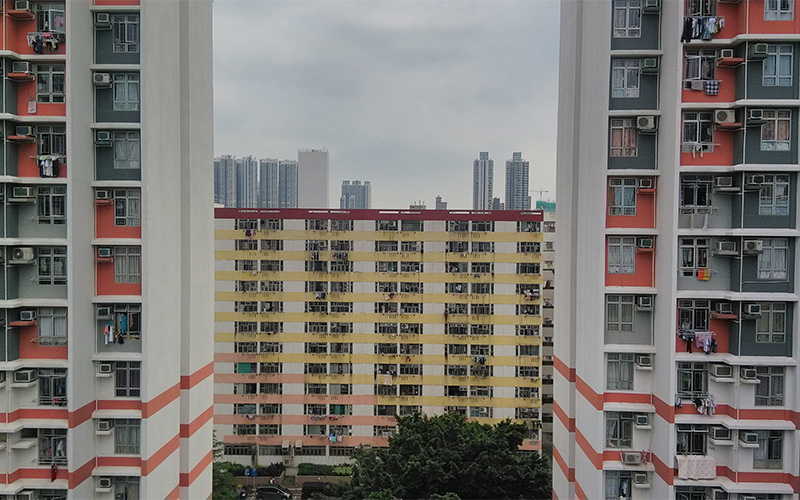
In 2018, the team launched their internal property valuation system, tapping into the latest technologies. This internal valuation system helps our property valuers to improve work productivity and streamline processes, reducing the traditional manual work in property valuation. By going paperless, we issue e-valuation reports to our clients, providing a more efficient and environmentally-friendly solution. As a leading real estate valuation company, the team aims to further enhance the system and be the first property valuation expert to automate the whole valuation processes, which enables us to deliver the valuation reports in a shorter time frame for standard properties.
The team, in recent years, is actively involved in rental valuations for statutory boards for various property types and purposes. Examples would be the rental valuation of ATMs, vending machines, advertising, event spaces and unique properties. Our property valuation experts and real estate consultants will analyse and adopt different methods of valuation to ensure a thorough assessment. When market data is scarce, our property valuers will conduct in-depth market research analysis and conduct data collection from various sources to derive the true value of the property in the current market. In recent years, we have also seen an increase in requests from private owners seeking to obtain fair rental value of their properties, making our property valuation services in Singapore highly sought after. As one of the trusted real estate valuation companies in the region, we are committed to delivering precise and reliable valuations, specialising in property valuation in Singapore.
In this fast-paced digital era, banks are embracing new technology to speed up the home loan process for homebuyers. With this objective in mind, United Overseas Bank (UOB) entered into an exclusive partnership with CKS Property Consultants, a leading real estate consultancy, to develop an Automated Valuation Model (AVM) as part of its digital real estate ecosystem.
The AVM is a software program that uses robust methodology and sophisticated algorithms to instantly generate an indicative value for a specified property. Using proprietary algorithms that have been rigorously built and tested by a team of licensed property valuers and based on the latest transactional data, the AVM allows users quick and easy access to property valuation services in Singapore, enabling them to receive accurate indicative valuations for residential properties at any time and from anywhere.
In 2018, UOB successfully launched the UOB Home Solution platform, featuring the first bank-backed instant property valuation service, developed by CKS, a trusted name among real estate valuation companies.