Why Two Similar Properties Can Have Different Values

Find out why similar properties may receive different valuations and how factors like location, floor level, lease, and market data affect value.

Blogs & Articles / Why two similar properties can have different values

Looking Beyond Size and Location

Two properties within the same development may appear almost identical at first glance: similar size, layout and even located on the same floor. However, in practice, their valuations can sometimes differ more than what homeowners expect.

This is because property valuation involves more than simply comparing floor area or past transaction prices.

What Factors Influence Value?

Professional valuers assess a range of factors when determining a property’s value. These may include floor level, unit facing, orientation, renovation condition, surrounding environment and overall market demand at the time of assessment.

For example, a unit with an unblocked view and better natural lighting may attract stronger buyer interest than another unit facing a busy road or carpark. Renovation quality and overall condition may also influence how buyers perceive value in the market.

Timing can also play an important role. Property markets are constantly evolving, and valuations are supported by comparable sales evidence available at the point of assessment. Changes in market sentiment, financing conditions or nearby developments may therefore affect value over time.

Why Professional Judgment Still Matters

This is why valuation is not simply about identifying a “similar” property nearby. Professional judgment remains important in analysing both market evidence and the unique characteristics of each property.

As Singapore’s property market continues to evolve, understanding these differences can help homeowners and buyers make more informed property and financing decisions.

Picture of Leroy Toh
Leroy Toh

Written By

Leroy is currently a Year 3 student progressing into Year 4 at the National University of Singapore, pursuing a degree in Business Administration (Real Estate).

Picture of Lee Yi Yang
Lee Yi Yang

Reviewed By

Yi Yang is a valuer at CKS with experience across property valuation, property sales and real-estate related client work.

Copyright © 2024 CKS Property Consultants Pte Ltd


Case Study #3: Automating Internal Valuation Processes

In 2018, the team launched their internal property valuation system, tapping into the latest technologies. This internal valuation system helps our property valuers to improve work productivity and streamline processes, reducing the traditional manual work in property valuation. By going paperless, we issue e-valuation reports to our clients, providing a more efficient and environmentally-friendly solution. As a leading real estate valuation company, the team aims to further enhance the system and be the first property valuation expert to automate the whole valuation processes, which enables us to deliver the valuation reports in a shorter time frame for standard properties.

Comprehensive digital home solution

Case Study #2: Rental Valuation for Diverse Asset Types

The team, in recent years, is actively involved in rental valuations for statutory boards for various property types and purposes. Examples would be the rental valuation of ATMs, vending machines, advertising, event spaces and unique properties. Our property valuation experts and real estate consultants will analyse and adopt different methods of valuation to ensure a thorough assessment. When market data is scarce, our property valuers will conduct in-depth market research analysis and conduct data collection from various sources to derive the true value of the property in the current market. In recent years, we have also seen an increase in requests from private owners seeking to obtain fair rental value of their properties, making our property valuation services in Singapore highly sought after. As one of the trusted real estate valuation companies in the region, we are committed to delivering precise and reliable valuations, specialising in property valuation in Singapore.

The Hive Learning Hub South (LHS)

Case Study #1: Instant Valuation Tech for UOB Platform

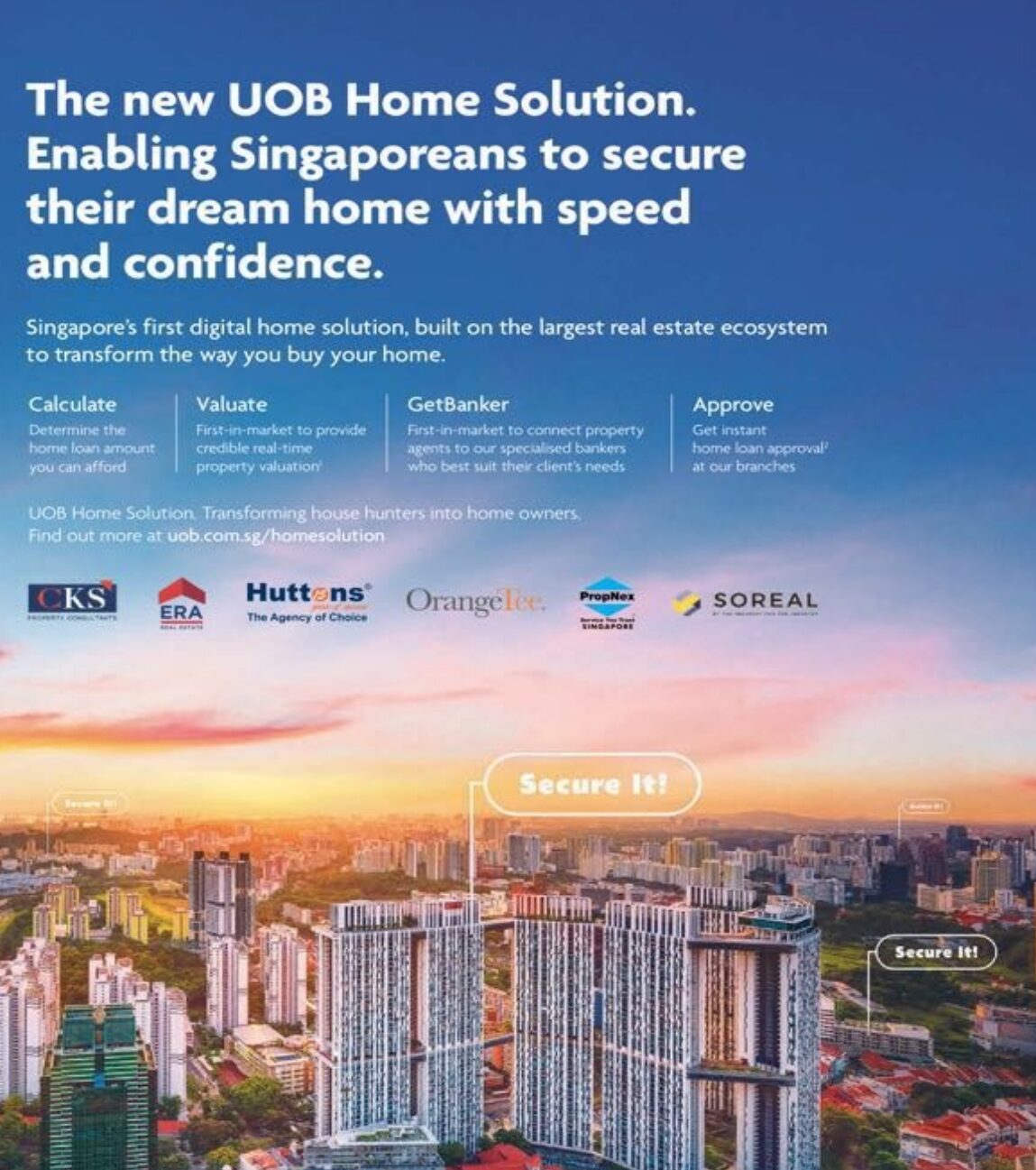
In this fast-paced digital era, banks are embracing new technology to speed up the home loan process for homebuyers. With this objective in mind, United Overseas Bank (UOB) entered into an exclusive partnership with CKS Property Consultants, a leading real estate consultancy, to develop an Automated Valuation Model (AVM) as part of its digital real estate ecosystem.

The AVM is a software program that uses robust methodology and sophisticated algorithms to instantly generate an indicative value for a specified property. Using proprietary algorithms that have been rigorously built and tested by a team of licensed property valuers and based on the latest transactional data, the AVM allows users quick and easy access to property valuation services in Singapore, enabling them to receive accurate indicative valuations for residential properties at any time and from anywhere.

In 2018, UOB successfully launched the UOB Home Solution platform, featuring the first bank-backed instant property valuation service, developed by CKS, a trusted name among real estate valuation companies.

Singapore digital home solution flyer